

The Ultimate Guide to Comfortable Wedding Shoes
Your wedding day is filled with unforgettable moments, walking down the aisle, greeting loved ones, dancing the night away. The last thing you should be thinking about is sore feet. Yet for so many brides, wedding shoes become an unexpected pain point before the celebration is even halfway over. The good news? Comfortable wedding shoes don’t mean compromising on style. With the right shoe choices, and a few discreet comfort upgrades, you can enjoy every step of your day confidently and comfortably.
Why Wedding Shoe Comfort Matters More Than You Think
Wedding days are long. Between getting ready, standing during the ceremony, photos, cocktail hour, dinner, and dancing, many brides spend 8–12 hours on their feet. Shoes that feel “fine” during a fitting can quickly turn painful under real wedding-day conditions.
Uncomfortable wedding shoes can lead to:
- Blisters and hot spots
- Slipping heels and sore arches
- Fatigue that pulls focus from the celebration
Comfort isn’t just physical, it impacts how you move, pose, dance, and show up throughout the day. Feeling supported allows you to stay present, confident, and carefree.
Choosing the Right Wedding Shoes: Style Meets Support
There’s no single “best” wedding shoe, only the best option for you. Start by considering your dress, venue, and how you’ll spend the day.
Wedding Heels
Classic bridal heels are timeless, but height and shape matter when it comes to comfort. Block heels offer more stability, platforms help reduce pressure on the ball of the foot, and kitten heels provide an elegant look with less strain, making it easier to stay comfortable throughout the day.
Wedding Flats
Perfect for brides who prioritize ease or plan to dance all night. Look for styles with structure, not paper-thin soles.
Arch Support Cushions for Added Comfort
Strappy Sandals
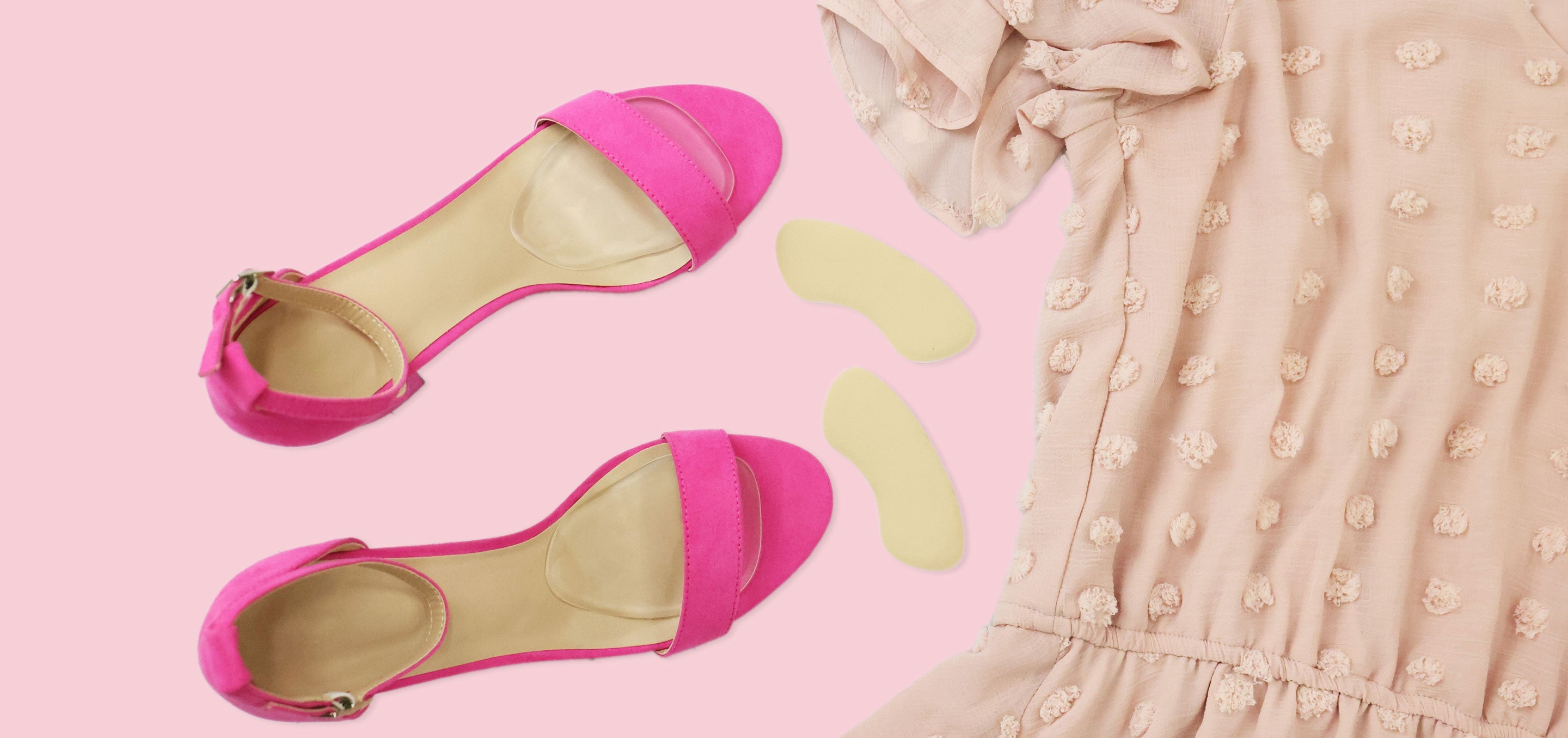
Strappy sandals are beautiful, but often the biggest culprit for rubbing and slipping.
Strap Cushions for Friction Control
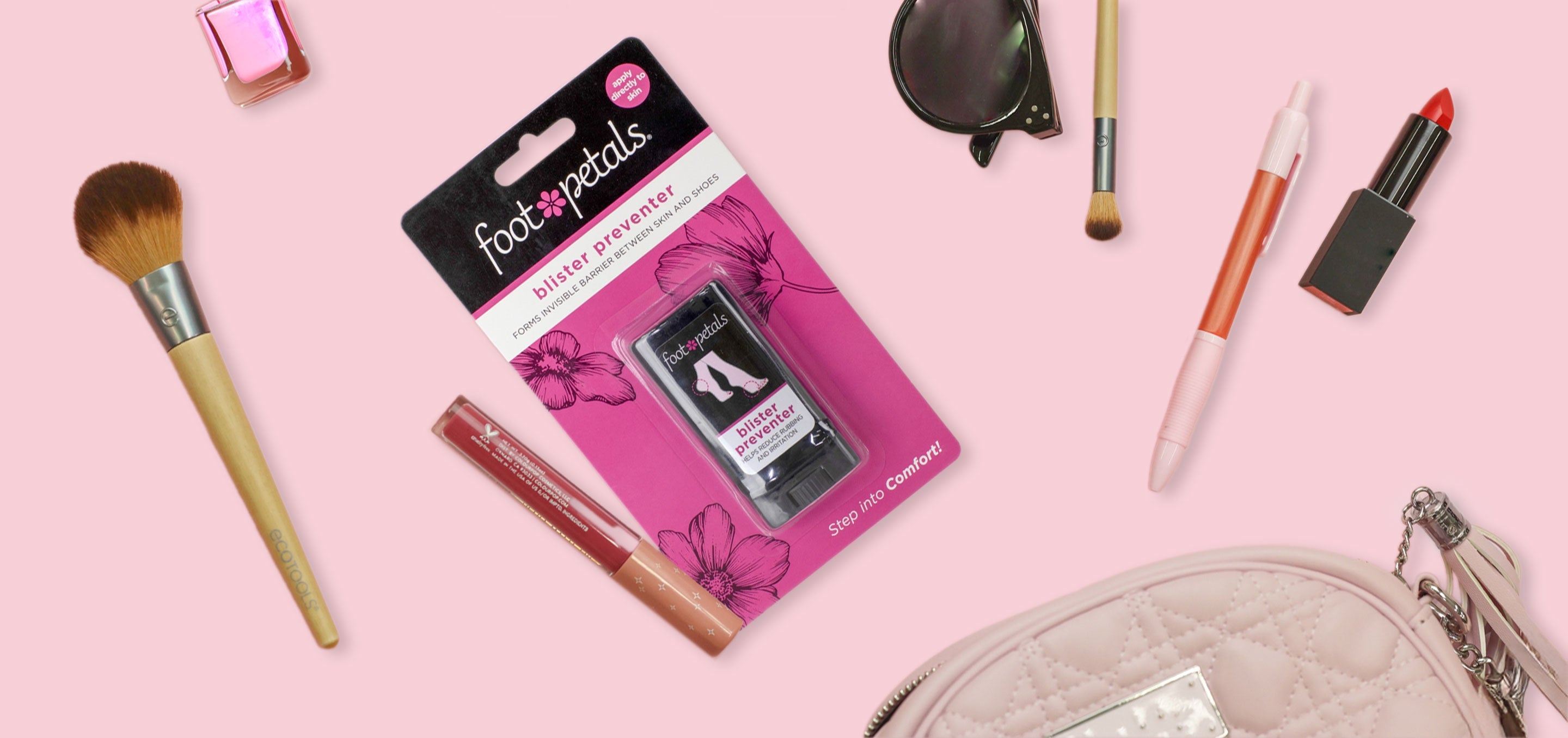
Blister Prevention Balm for Skin Protection
Outdoor or Destination Shoes
Grass, sand, cobblestones, or uneven floors require extra thought. Wider heels or wedges help with balance and comfort.
The Secret to Comfortable Wedding Shoes: Preparation
Even the most well-made shoes need prep. Comfort doesn’t start on the wedding day, it starts weeks before.
- Break Them In Early: Wear your shoes around the house with socks to soften stiff areas. Practice standing, walking, and turning.
- Identify Pressure Points: Notice where rubbing or sliding happens. This is where targeted cushioning makes the biggest difference.
- Add Comfort Before the Big Day: Discreet inserts work best when applied before discomfort begins.
How Discreet Comfort Solutions Change Everything
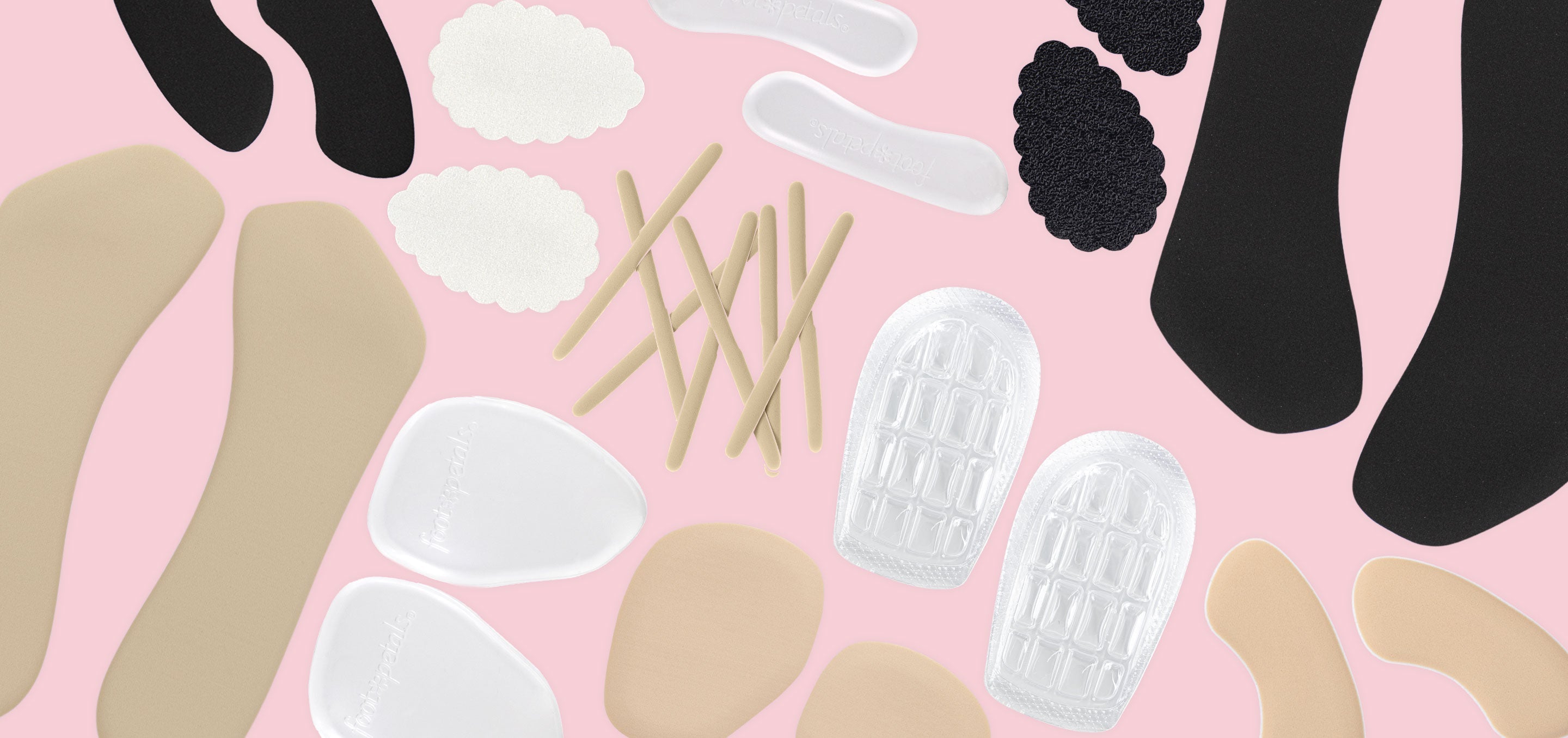
Modern bridal comfort solutions are designed to be invisible: no bulk, no visible lines, and no changes to the look of your shoes. Foot Petals products are created by women, for women, to solve real bridal shoe problems without compromising style. With targeted cushioning exactly where you need it, slim designs that stay hidden, and solutions made for heels, flats, sandals, and boots, these small upgrades often make all-day wear possible for brides.

Wedding Day Strategy: Stay Comfortable from Ceremony to Reception
- Start Strong: Apply blister prevention before slipping into your shoes, especially if they’re new or strappy.
- Support High-Pressure Areas: Ball-of-foot pressure and heel friction are the most common bridal complaints.
- Plan for Movement: If dancing is part of your reception (and it usually is), choose inserts that absorb shock and prevent sliding.
- Optional Backup Shoes: Some brides switch shoes mid-reception. Others stay in one pair all night, comfort solutions make both options work.
Bridal Events Beyond the Ceremony
Wedding shoe comfort isn’t just about the aisle. Brides often wear heels or dressy shoes for:
- Engagement parties
- Bridal showers
- Rehearsal dinners
- Welcome parties
Using comfort solutions across all events ensures consistency, and keeps your feet feeling fresh all weekend.
Common Wedding Shoe Mistakes Brides Make
Many brides run into unnecessary discomfort by buying their wedding shoes too late to properly break them in or assuming that a higher price automatically means better comfort. Others skip inserts because they worry about added bulk, or wait until pain starts before addressing it. The most comfortable brides are proactive, not reactive; they plan ahead and build comfort into their shoes from the start.
How to Choose Comfort Based on Your Dress
The style of your wedding dress should guide your comfort strategy. Ballgowns pair well with heels or platforms, where focusing on discreet support can make a big difference. Slim or fitted gowns benefit from stable heels that make walking and photos easier, while short dresses require extra discretion since shoes are more visible. In every case, comfort should support your dress, not distract from it.
Your wedding shoes should support you, literally and emotionally. When your feet feel good, you move more confidently, smile more freely, and stay present for every meaningful moment. Comfort isn’t an afterthought. It’s part of your bridal experience. With thoughtful shoe choices and discreet comfort solutions, you don’t have to choose between beauty and ease. You can have both, every step of the way.
Comfortable Wedding Shoes for Brides FAQs
Q: What are the most comfortable wedding shoes for brides?
A: The most comfortable wedding shoes depend on heel height, shoe structure, and added support. Block heels, platforms, and cushioned flats are popular choices.
Q: Can I wear heels all day on my wedding day?
A: Yes, with the right prep and support. Cushion high-pressure areas, break in shoes early, and choose stable heel styles.
Q: Should I bring a second pair of shoes?
A: Some brides do, some don’t. Comfort upgrades often make one pair wearable all day, reducing the need for a change.


