

How to Dress (And Accessorize) for Your Body Type
Getting dressed should be about finding clothes that feel good, fit well, and help you express your personal style. While understanding your body shape can give you a useful starting point, it shouldn’t become a list of rules about what you can and can’t wear.
Learning how to dress for your body type is really about understanding proportion. Different necklines, waistlines, hemlines, accessories, and shoes can change the overall balance of an outfit. Once you understand how those elements work together, you can decide which features you want to highlight and which styling guidelines you want to ignore altogether.
What Does Dressing for Your Body Type Really Mean?
Body-type styling generally groups figures according to the proportions of the shoulders, bust, waist, and hips. Common categories include hourglass, triangle or pear, inverted triangle, rectangle, and round or oval shapes.
These categories aren't exact formulas. Bodies come in far more shapes and proportions than five labels can capture, and even two people with similar measurements may prefer completely different clothes. That’s why your body type is best treated as one piece of the styling puzzle. MasterClass similarly notes that body-shape categories are an imperfect metaphor and that actually trying clothes on is ultimately the best way to determine what works for you.
Rather than asking, “Am I allowed to wear this?” try asking, “What does this piece do to the proportions of my outfit, and do I like the result?” That simple shift makes dressing for your body type much more useful and much more fun.
How to Determine Your Body Shape
You don't necessarily need a body-type calculator to get started. Stand in front of a mirror in fitted clothing and look at the relationship between your shoulders, waist, and hips. If you want greater precision, take measurements around your shoulders or bust, natural waist, and fullest part of your hips. You may notice that your proportions generally fall into one of these categories:
- Hourglass: Shoulders/bust and hips are relatively balanced with a more defined waist.
- Triangle or pear: Hips are proportionally wider than the shoulders.
- Inverted triangle: Shoulders are proportionally wider than the hips.
- Rectangle: Shoulders/bust, waist, and hips have relatively similar proportions.
- Round or oval: The midsection is typically the fullest part of the silhouette.
Think of these descriptions as reference points, not identities. You might fall between two shapes, and your proportions can also change over time.
How to Dress for Your Body Type
Once you have a general idea of your proportions, you can experiment with silhouettes that emphasize different parts of your figure. The goal isn't to make every body resemble an hourglass. Instead, use clothing to create the proportions and overall look that you prefer.
How to Dress an Hourglass Body Shape
An hourglass shape typically has relatively balanced shoulders and hips with a defined waist. If you'd like to emphasize those proportions, look for clothing that follows your natural shape rather than hiding it. Wrap dresses, fitted jackets, belted dresses, high-waisted pants, and tucked-in tops can all bring attention to the waist. V-neck and scoop-neck tops can also create an open neckline without adding excessive volume.
When it comes to accessories, belts are an easy way to emphasize your waist. A structured handbag or statement shoe can add interest without changing the overall balance of your silhouette.
How to Dress a Triangle or Pear Body Shape
A triangle or pear shape typically has hips that are wider than the shoulders. Stitch Fix recommends experimenting with structured pieces, defined waistlines, and details that bring attention to the upper body if your goal is to balance these proportions.
Try statement necklines, structured blazers, colorful tops, or interesting sleeves. A-line dresses and skirts can follow the waist before creating movement through the lower half. Accessories offer another opportunity to play with proportion. Statement earrings, necklaces, scarves, and colorful handbags naturally bring the eye upward. Of course, balance isn't required. If you love your hips and want to emphasize them, fitted skirts, bold pants, and colorful shoes can do exactly that.
How to Dress an Inverted Triangle Body Shape
An inverted triangle shape generally features shoulders that are wider than the hips. If you want to create more visual balance, you can introduce volume, color, or detail below the waist.
Wide-leg trousers, A-line skirts, pleated skirts, and dresses with fuller lower halves can create this effect. Simpler tops paired with more detailed bottoms can also shift the visual focus downward. Shoes are especially useful here. A colorful heel, embellished flat, or statement boot draws attention toward the lower half of an outfit while adding personality.
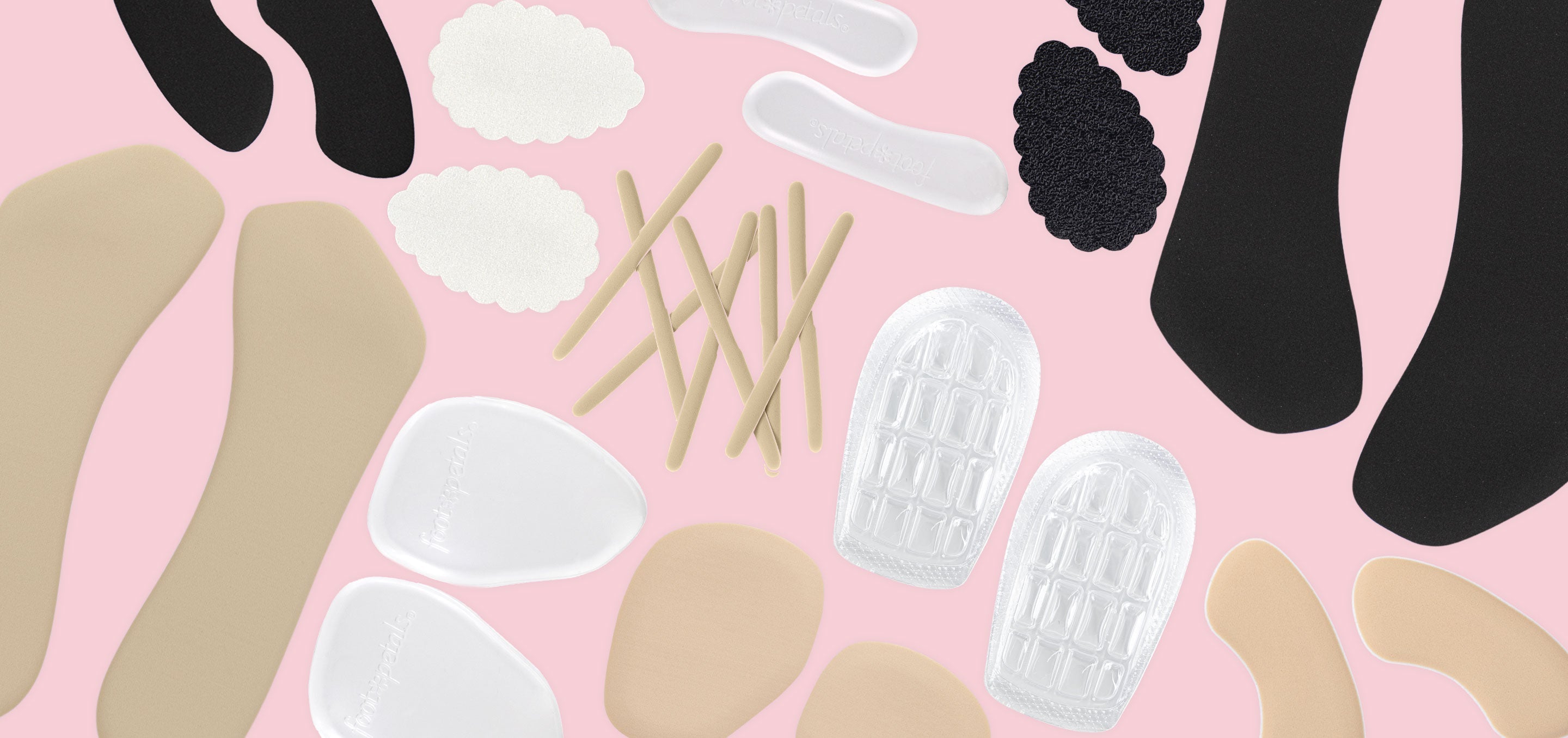
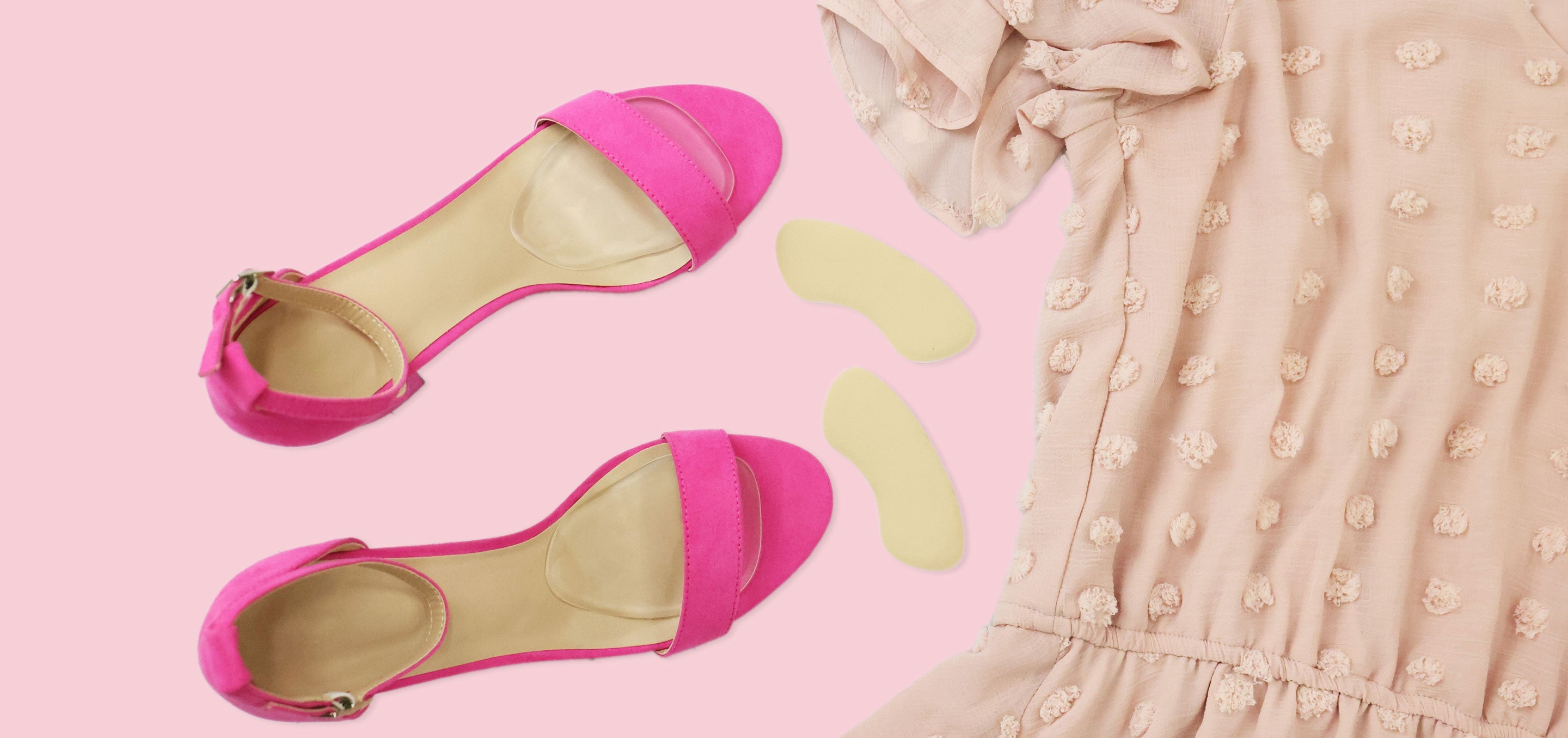
If your statement shoes aren't quite as comfortable as they are stylish, discreet shoe cushions can help address pressure, rubbing, or slipping without distracting from the look.
How to Dress a Rectangle Body Shape
Rectangle shapes typically have shoulders, waist, and hips with relatively similar proportions. This gives you plenty of flexibility to decide where you'd like to create definition or volume. If you want to emphasize your waist, try belts, wrap silhouettes, tucked tops, or high-waisted bottoms. If you'd rather play with shape, experiment with puff sleeves, wide-leg trousers, A-line skirts, structured jackets, and layered pieces.
This is also a great body shape for experimenting with contrasting proportions. Try an oversized blazer with a fitted bottom, or pair a fitted top with a fuller skirt or wide-leg pant.
How to Dress a Round or Oval Body Shape
Round or oval shapes typically carry more fullness through the middle of the body. If you'd like to create longer visual lines, V-necks, open jackets, long cardigans, and straight-leg trousers can help draw the eye vertically. Stitch Fix also recommends V- and scoop necklines for creating vertical interest, along with fabrics and fits that comfortably follow your curves.
Monochromatic outfits can be another option when you want to create one uninterrupted visual line. But don't feel limited to dark colors. A head-to-toe red, blue, cream, or other favorite shade can achieve a similar effect while showing more personality.
Dress Types for Different Body Shapes
If you're shopping specifically for dresses, silhouette is a helpful place to start. A dress silhouette refers to the overall shape a garment creates on the body, and different silhouettes can emphasize the waist, shoulders, legs, or overall vertical line in different ways.
A-line dresses are especially versatile because they typically fit closer through the upper body before widening toward the hem. Wrap dresses can create adjustable waist definition, while shift dresses offer a straighter silhouette. Fit-and-flare styles create more contrast between the waist and skirt, and empire-waist dresses place their visual emphasis higher on the torso. Pay attention to what happens when you try different silhouettes. You may discover that you prefer several completely different shapes depending on the occasion, fabric, shoes, and how you want to feel that day.
How to Accessorize for Your Body Type
Accessories aren't just finishing touches. They can change where the eye travels and alter the proportions of an entire outfit.
Use Jewelry to Direct Attention
Statement earrings and shorter necklaces naturally bring attention toward the face and shoulders, while longer necklaces create a stronger vertical line through the torso. Scale matters, too. Larger jewelry creates more visual impact, while delicate pieces tend to blend into an outfit. Neither is inherently more flattering; the right choice depends on what you want your accessories to accomplish.
Use Belts to Create or Emphasize a Waistline
Belts can completely change the silhouette of a dress, blazer, or oversized shirt. Wearing one at your natural waist emphasizes that area, while changing its placement can visually alter the proportions of your torso and legs. Experiment with different widths as well. Sometimes a narrow belt is all an outfit needs; other times, a wider statement belt becomes part of the look itself.
Consider Handbag Proportions
Where your handbag falls can draw attention to that area of your body. A shoulder bag may sit near the waist or hips, while a crossbody bag creates a diagonal line across your outfit. Handheld and top-handle bags keep the accessory away from the torso altogether. Instead of following rigid rules about which handbag is “right” for your body type, consider where the bag falls and whether you like the resulting proportions.
Don't Forget How Shoes Change Your Proportions

Shoes deserve more attention when dressing for your body type because they influence the entire silhouette. Pointed-toe shoes can create a longer visual line, while rounded or square toes can give an outfit a different sense of proportion. Heels add physical height, but you don't need a stiletto to achieve that effect. Kitten heels, platforms, wedges, and block heels can all add height while offering different levels of stability.
Flats, loafers, sneakers, sandals, and boots can work with every body type. The more important consideration is how the shoe works with the hemline and proportions of your outfit and whether it's comfortable enough for what you actually plan to do.
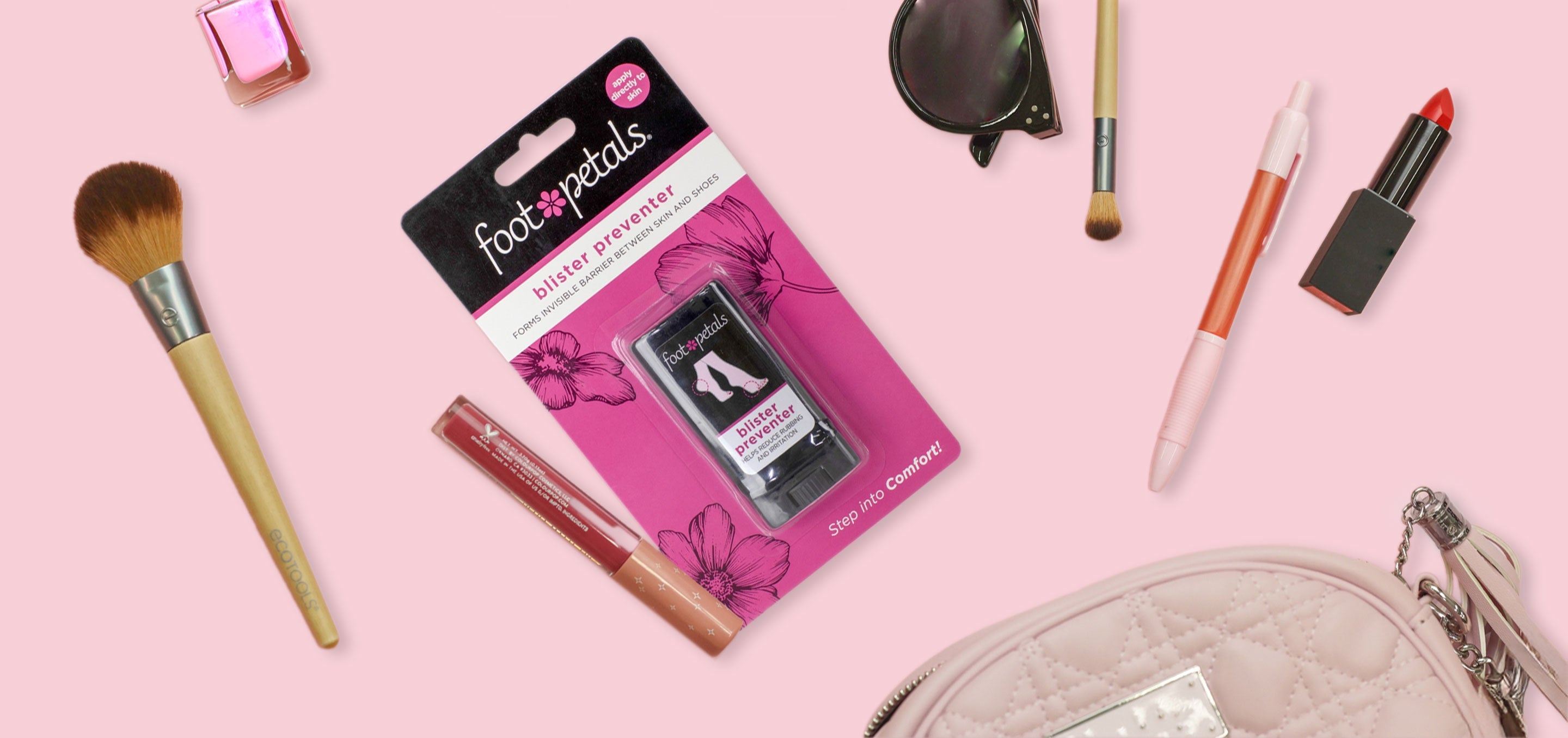
For example, the hem of wide-leg trousers can work particularly well when it falls cleanly over your shoes rather than bunching around them. And if the shoes completing your outfit create a pressure point, rub at the heel, or cause your foot to slide forward, you don't necessarily have to choose another pair. Foot Petals offers targeted comfort solutions designed to fit discreetly inside different shoe styles.
Fit Matters More Than the Label
One of the most useful things to remember when learning how to dress for your body type is that body shape and clothing size aren't the same thing. Height, torso length, inseam, shoulder width, and where your natural waist falls can all affect how a garment fits. Petite sizing, for example, isn't simply a smaller version of standard sizing; proportions such as sleeve length, hem placement, and other garment details may be adjusted for shorter frames. So if a supposedly “perfect” dress type for your body shape doesn't look or feel right, the problem may simply be the cut of that particular garment.
Try another size, brand, inseam, or silhouette before deciding a certain style isn't for you. Tailoring can also transform an almost-right wardrobe staple into something you'll wear for years.
Personal Style Comes Before Body-Type Rules
Body-shape advice can be helpful when it gives you new ideas. It becomes much less helpful when it tells you that certain clothes are off-limits. Personal style is ultimately about expressing yourself through the clothes and accessories you choose, rather than simply following trends or predetermined formulas.
If conventional styling advice says to minimize your shoulders but you love dramatic shoulder pads, wear them. If you're told to define your waist but feel best in oversized silhouettes, choose the oversized dress. If flats make more sense for your lifestyle than heels, your wardrobe should reflect that. Understanding proportion gives you more choices, not fewer.
The best approach to dressing for your body type is to learn what different cuts, silhouettes, shoes, and accessories do and then decide which effects make you feel most like yourself. When your clothes fit comfortably, your shoes support where you're going, and your outfit reflects your personality, you've found a formula worth wearing.
Dressing for Your Body Type FAQs
Q: How do I know what body type I have?
A: Look at the proportions between your shoulders or bust, natural waist, and hips. You may generally identify with an hourglass, triangle, inverted triangle, rectangle, or round/oval shape, but many people fall somewhere between categories.
Q: What is the best way to dress for your body type?
A: Start with fit and proportion rather than strict fashion rules. Experiment with different silhouettes to see how they emphasize your waist, shoulders, hips, or overall vertical line, then choose the combinations that make you feel most comfortable and confident.
Q: Can shoes make a difference when dressing for your body type?
A: Yes; heel height, toe shape, boot height, and the relationship between your shoes and hemline can all change the visual proportions of an outfit. Comfort matters, too, especially if you'll be wearing the shoes for several hours.
Q: Do I have to follow body-type fashion rules?
A: No, body-type guidelines are simply styling tools. Use them to understand proportion and discover new outfit combinations, but your comfort, lifestyle, and personal style should ultimately determine what you wear.


