

How to Walk in Heels: Our Guide to High Heels
High heels can completely transform an outfit. They add height, polish, and confidence, but if they’re uncomfortable or difficult to walk in, they can also become a distraction. Whether you’re getting ready for a wedding, work event, dinner, or night out, learning how to walk in heels comfortably makes all the difference. The good news? Walking in heels is a skill, and like any skill, it gets easier with the right technique, the right fit, and a little preparation.
How Are High Heels Supposed to Fit?
Before you can confidently walk in heels, the fit has to be right. Even the best posture and walking technique can only do so much if your shoes are slipping, pinching, or lacking support. The right pair of heels should feel secure through the heel and arch while still giving your toes enough room to move comfortably.
When trying on heels, pay attention to how your feet actually feel, not just how the shoes look. Your heel should stay mostly in place as you walk, your toes shouldn’t feel cramped or numb, and you shouldn’t feel like your foot is sliding forward with every step. A properly fitting shoe helps reduce pressure, rubbing, and the kind of discomfort that can quickly cut a night short.
It’s also worth remembering that higher doesn’t always mean better. While sky-high stilettos may look glamorous, a lower heel or block heel often feels much easier to walk in, especially if you’re building confidence in heels or planning to be on your feet for hours. Comfort and style can absolutely go hand in hand when the fit works for you.
How to Walk in High Heels Without Looking Uncomfortable
One of the biggest mistakes people make in heels is trying to walk too quickly. Walking in heels requires smaller, more controlled steps than walking in sneakers or flats. The key is posture and rhythm.
Start by standing tall with your shoulders relaxed and your core engaged. Instead of leaning forward, keep your weight centered over your hips. When you walk, step heel first, then toe. This creates a smoother, more natural stride and helps distribute your weight more evenly.
Many people instinctively tense up while walking in heels, which can make movement look stiff or awkward. The more relaxed your posture is, the more confident your walk will appear. If you’re practicing at home, start slowly on carpet or a stable surface before moving onto harder flooring.
The Best Heels for Beginners
Not all heels are equally easy to walk in. If you’re still building confidence, choosing the right style can make learning much easier. Generally, beginner-friendly heels include:
- Block heels for added stability
- Wedges for better weight distribution
- Platform heels that reduce foot angle
- Lower kitten heels for easier balance
Thin stilettos require more ankle stability and balance, which can feel challenging if you’re not used to wearing heels regularly. The shape of the shoe also matters. Styles with ankle straps or a more secure fit tend to feel easier to walk in because they reduce slipping and instability.

How to Break in High Heels Properly
One of the most common causes of heel discomfort is wearing brand-new shoes for long periods without breaking them in first. Leather and structured materials often need time to soften and mold to your feet. Instead of waiting until an event to wear them for the first time, gradually break them in beforehand. A few simple strategies can help:
- Wear them indoors with socks for short periods
- Practice walking around your home before wearing them outside
- Flex the sole gently to reduce stiffness
- Add cushioning before discomfort starts
Avoid forcing the break-in process with extreme hacks like soaking shoes in water or overheating them, which can damage the material and structure.
How Do You Make High Heels More Comfortable?
Comfort in heels often comes down to pressure management. Most discomfort happens in a few common areas:
- Ball of the foot
- Back of the heel
- Arch fatigue
- Toe crowding
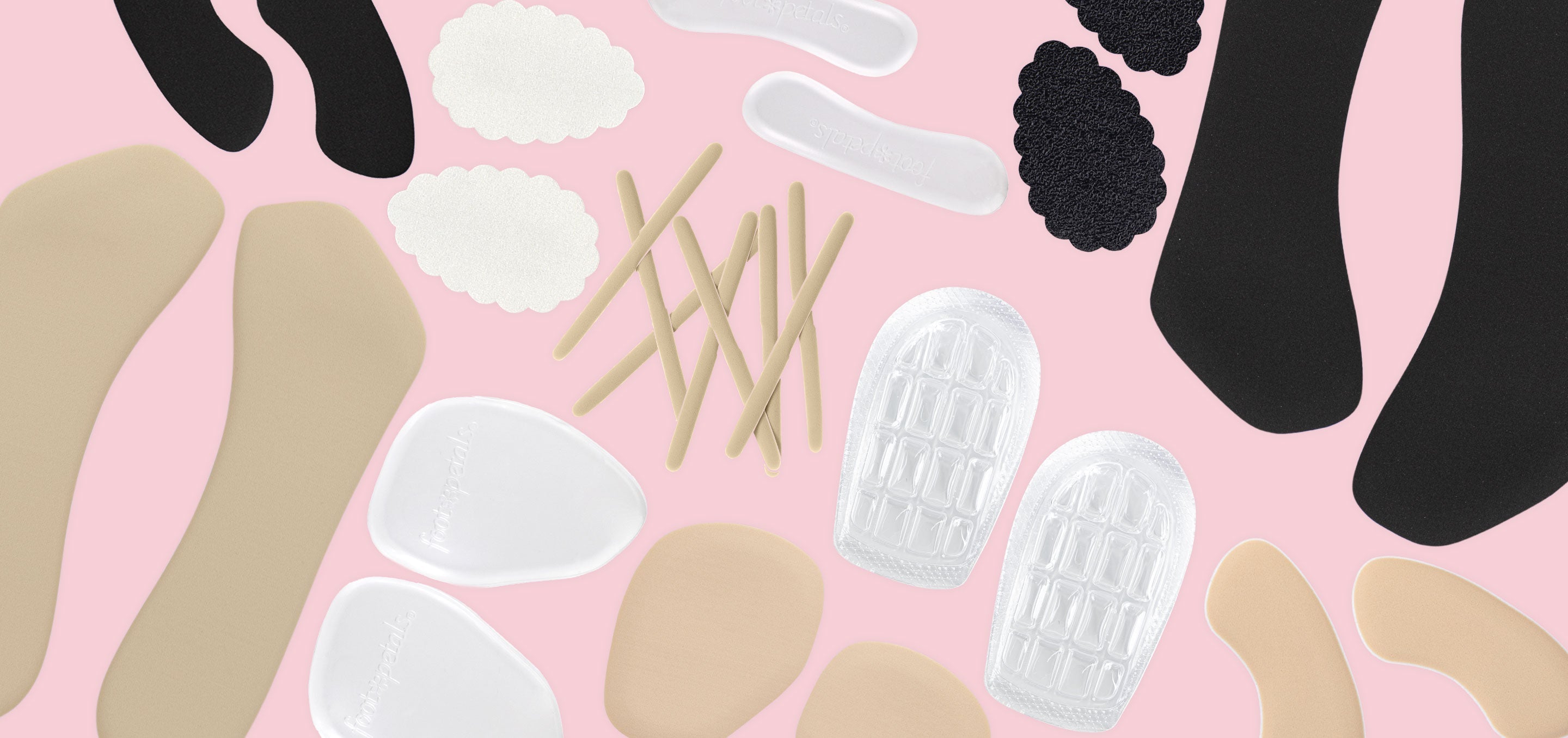
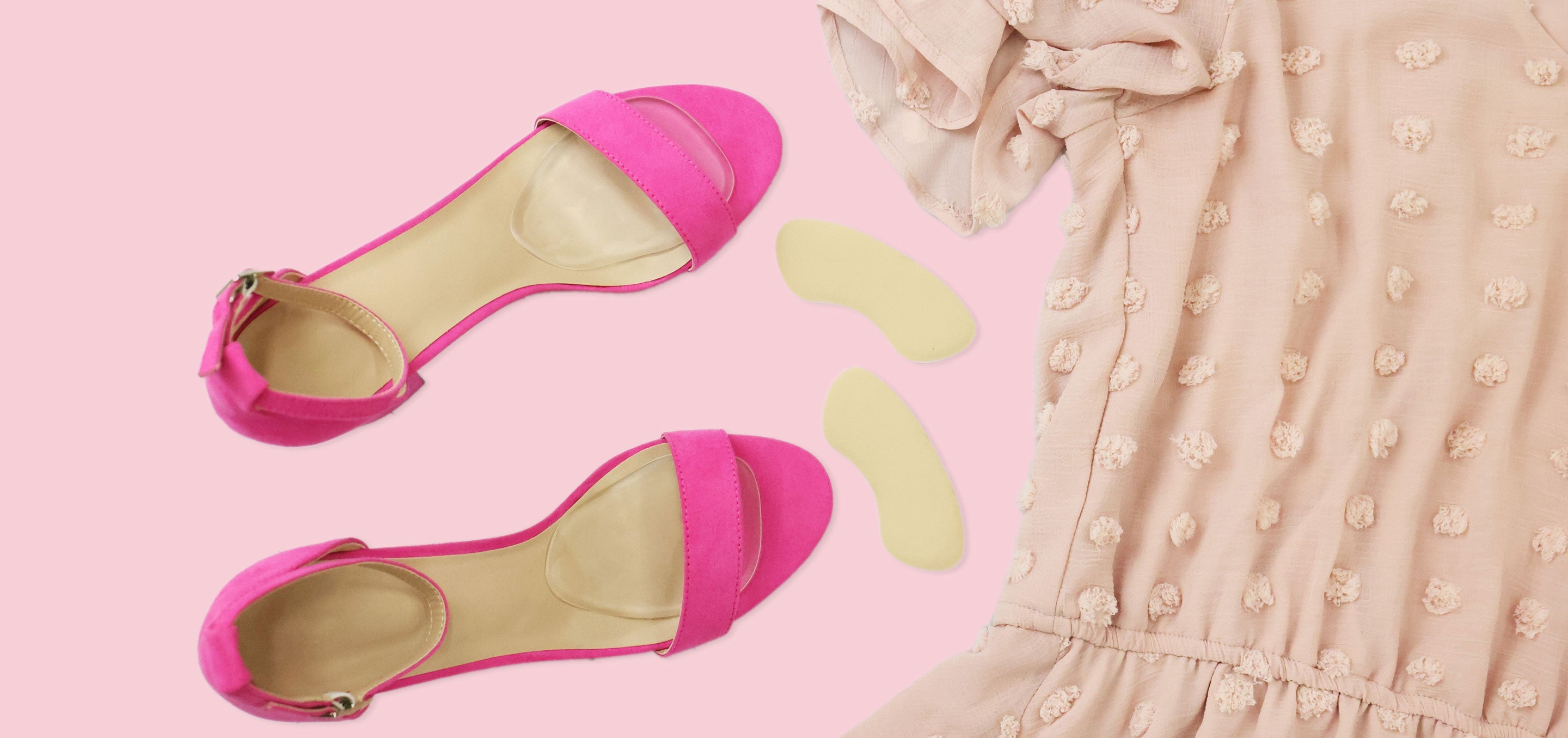
Small adjustments inside the shoe can dramatically improve how heels feel over time. Adding cushioning under the ball of the foot can help absorb shock and reduce pressure during long periods of standing or walking. Heel grips can minimize rubbing and slipping, especially in newer shoes, while arch support can help improve overall stability. These kinds of upgrades are especially useful for weddings, parties, work events, or any occasion where you’ll be on your feet for hours.
How to Walk in Heels Comfortably All Night
Even comfortable heels can become tiring after extended wear, especially during events. To stay comfortable longer, focus on pacing yourself throughout the day or evening. Instead of locking your knees or standing in one position for too long, shift your weight periodically and take seated breaks when possible.
It also helps to stretch your calves beforehand, avoid shoes that are too small hoping they’ll “stretch”, bring foldable flats if you’ll be out for many hours, and practice walking before the event itself.
Common Mistakes People Make When Walking in Heels
Walking confidently in heels isn’t just about what to do, it’s also about what to avoid.
One common mistake is taking overly long strides. Smaller steps create more balance and control. Another is looking down constantly while walking, which can throw off posture and make movement feel less natural.
Other common issues include:
- Wearing heels that are too large
- Ignoring foot pain early on
- Choosing style over stability every time
- Saving brand-new heels for major events without testing them first
How to Wear Heels for Different Occasions

Different events call for different heel strategies.
Weddings & Formal Events
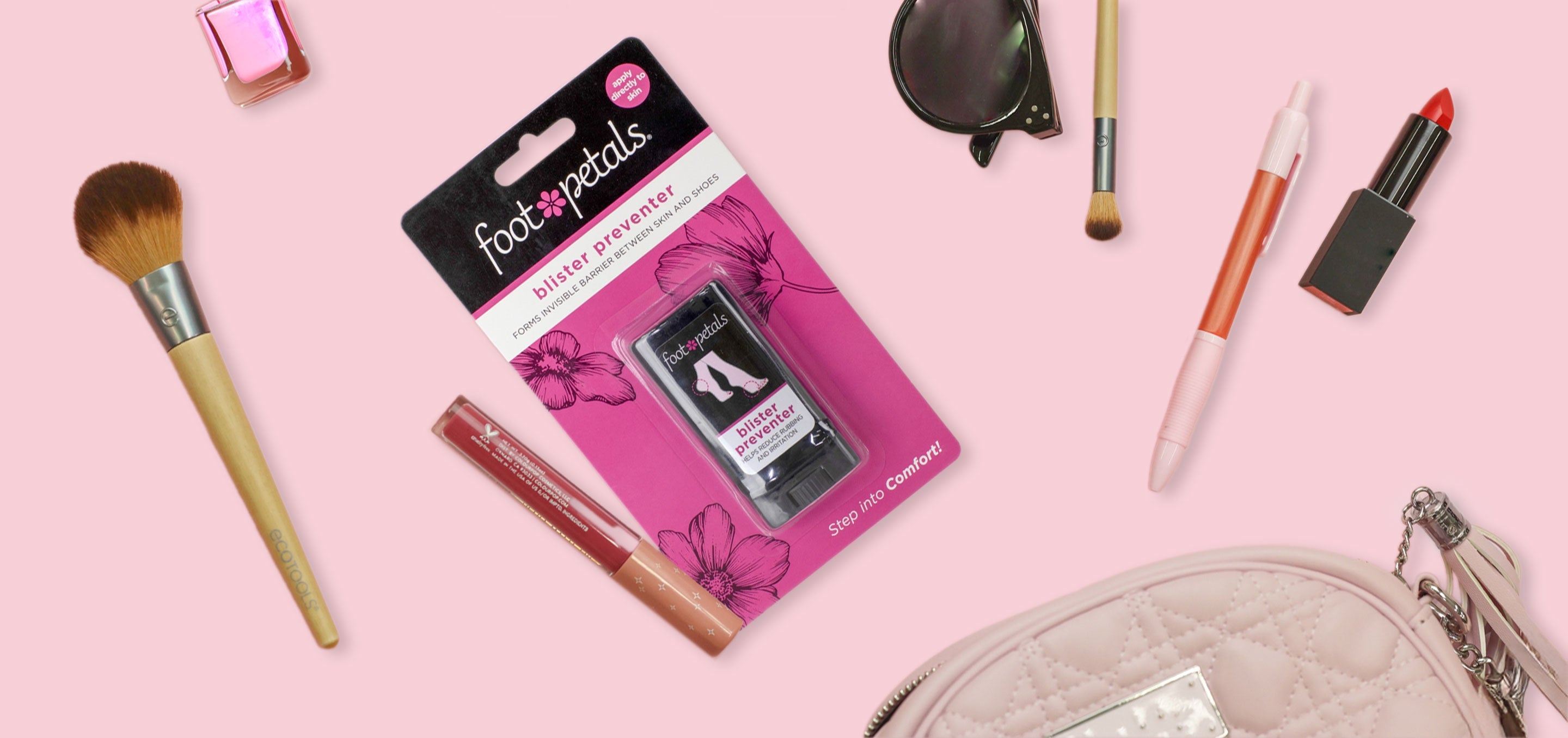
Comfort matters just as much as appearance, especially if you’ll be standing, dancing, or walking for hours. Cushioning and blister prevention become essential.
Work & Professional Settings
Lower block heels or structured pumps often provide the best balance between style and long-term wearability.
Nights Out & Parties
If you plan to dance or walk between locations, prioritize stability and support over extreme height. Choosing the right heel for the occasion makes the experience far more enjoyable.
Why Confidence Matters as Much as Comfort
One of the biggest differences between someone who looks comfortable in heels and someone who doesn’t is confidence.
When your shoes fit well and feel supported, your posture naturally improves. You stop thinking about pain and start focusing on everything else: your outfit, your conversation, your experience. Comfort and confidence work together. And often, the smallest adjustments inside your shoes are what make that confidence possible.
Learning how to walk in heels comfortably isn’t about forcing yourself through discomfort, it’s about finding the right fit, practicing gradually, and giving your feet the support they need. The right pair of heels should make you feel confident, polished, and comfortable enough to enjoy wherever the day or night takes you. And when comfort becomes part of the equation, everything else feels a little easier.
High Heel FAQs
Q: How do I walk in high heels without wobbling?
A: Take smaller steps, engage your core, and place your heel down before your toe. Beginner-friendly heels with thicker bases also help improve stability.
Q: How are high heels supposed to fit?
A: High heels should feel secure without pinching your toes or causing excessive slipping. Your arch should align naturally with the shoe.
Q: How do you make high heels more comfortable?
A: Adding cushioning, heel grips, and arch support can significantly reduce pressure and improve long-term wearability.
Q: How long does it take to break in high heels?
A: Most heels require several short wear sessions before they feel fully comfortable. Gradual wear works better than forcing the process.
Q: Are high heels bad for your feet?
A: Extended wear in poorly fitting heels can increase pressure and fatigue, but supportive fit and cushioning can improve comfort considerably.


