

10 Tips on Minimalist Dressing
Minimalist dressing isn’t about owning as little as possible or giving up personal style. It’s about creating a wardrobe filled with intentional pieces that make getting dressed easier, more enjoyable, and more reflective of your everyday life.
The idea behind minimalist clothing is simple: choose fewer, better pieces that work harder for you. Instead of a closet full of items you rarely reach for, minimalist style focuses on versatile clothes, thoughtful purchases, and pieces that make you feel confident every time you wear them.
What Is Minimalist Clothing Style?
Minimalist clothing style focuses on simplicity, versatility, and intentional choices. While many people associate minimalism with neutral colors and basic pieces, it’s less about following strict rules and more about creating a wardrobe that supports your lifestyle.
A minimalist wardrobe typically includes timeless silhouettes, quality materials, and pieces that can be mixed and matched in multiple ways. According to the principles popularized by capsule wardrobe experts like Susie Faux, founder of the original capsule wardrobe concept in the 1970s, the goal is to build a collection of essential pieces that remain useful beyond a single trend cycle.
Minimalist dressing doesn’t mean your closet has to look like everyone else’s. Color, patterns, and statement pieces can still have a place, they just need to be items you genuinely love and wear.
10 Minimalist Dressing Tips for a More Intentional Closet
1. Start With a Closet Reset
Before adding anything new, begin by understanding what you already own. A successful minimalist wardrobe starts with editing, not shopping. Go through your closet and pay attention to what you consistently wear versus what stays untouched. The goal isn’t to remove items just for the sake of decluttering, but to make space for pieces that better fit your current lifestyle. Ask yourself:
- Does this fit comfortably?
- Have I worn it recently?
- Does it pair easily with other items I own?
- Do I feel confident wearing it?
2. Build Around Everyday Essentials
The foundation of minimalist clothes is versatility. Instead of buying for one specific occasion, focus on pieces that can transition across different parts of your life. Common minimalist wardrobe essentials include:
- Well-fitting denim
- Neutral tops and layering pieces
- Tailored jackets
- Versatile dresses
- Comfortable everyday shoes
The best essentials are the ones that match your real routine. A minimalist wardrobe for someone working from home will look different than one built around office wear or frequent travel.

3. Create a Minimalist Clothing Capsule
A minimalist clothing capsule is a curated collection of pieces designed to work together. The benefit is simple: fewer decisions and more outfit combinations. Start by choosing a foundation of colors and silhouettes you naturally gravitate toward. Neutral shades like black, white, navy, beige, and gray are popular because they mix easily, but your capsule should reflect what you actually enjoy wearing. Once your foundation is set, add personality through accessories, textures, and a few statement pieces.
4. Invest in Shoes You’ll Actually Wear
Shoes are one of the most important parts of minimalist dressing because they impact both your outfit and your daily comfort. Rather than keeping dozens of pairs that only work for one occasion, focus on styles that cover your lifestyle needs:
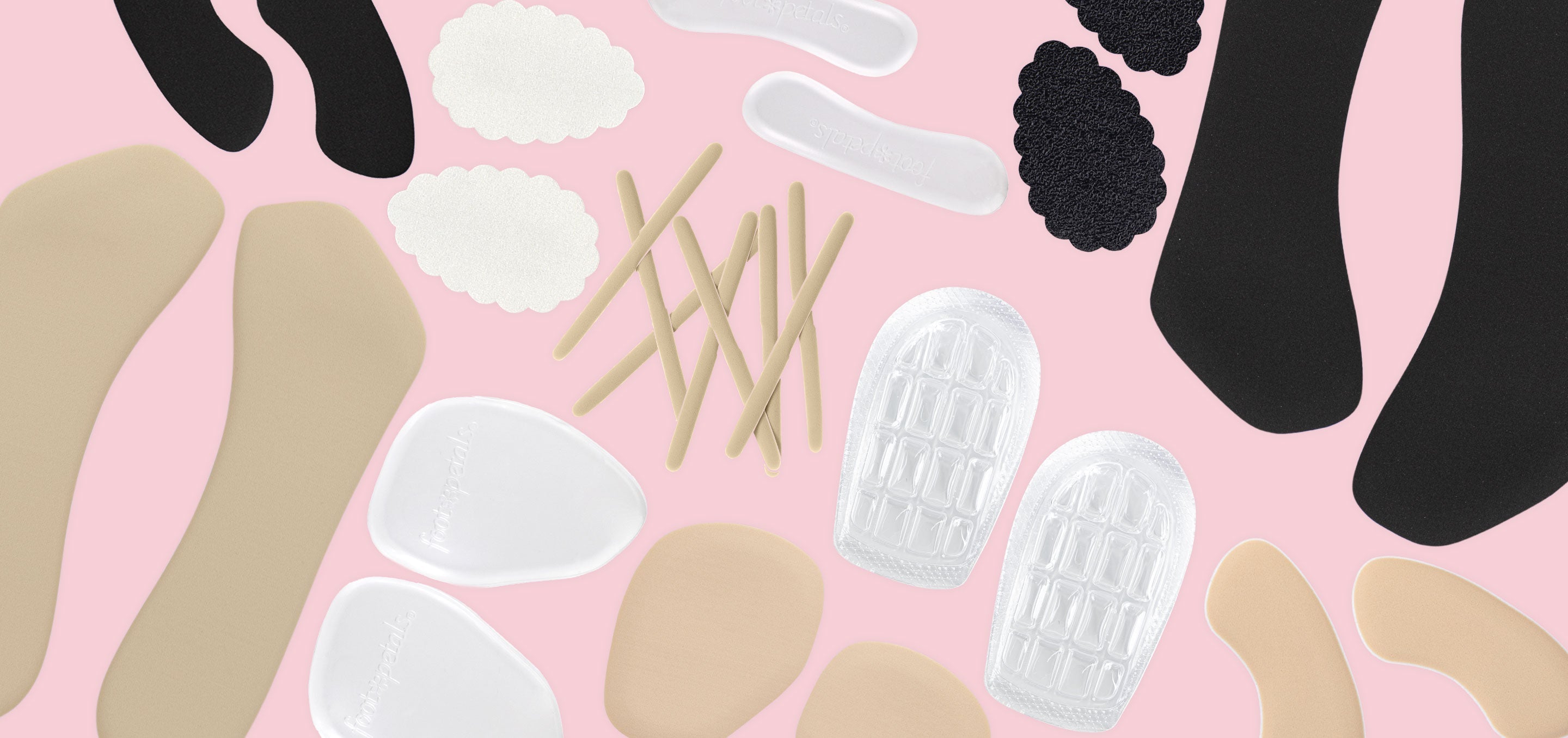
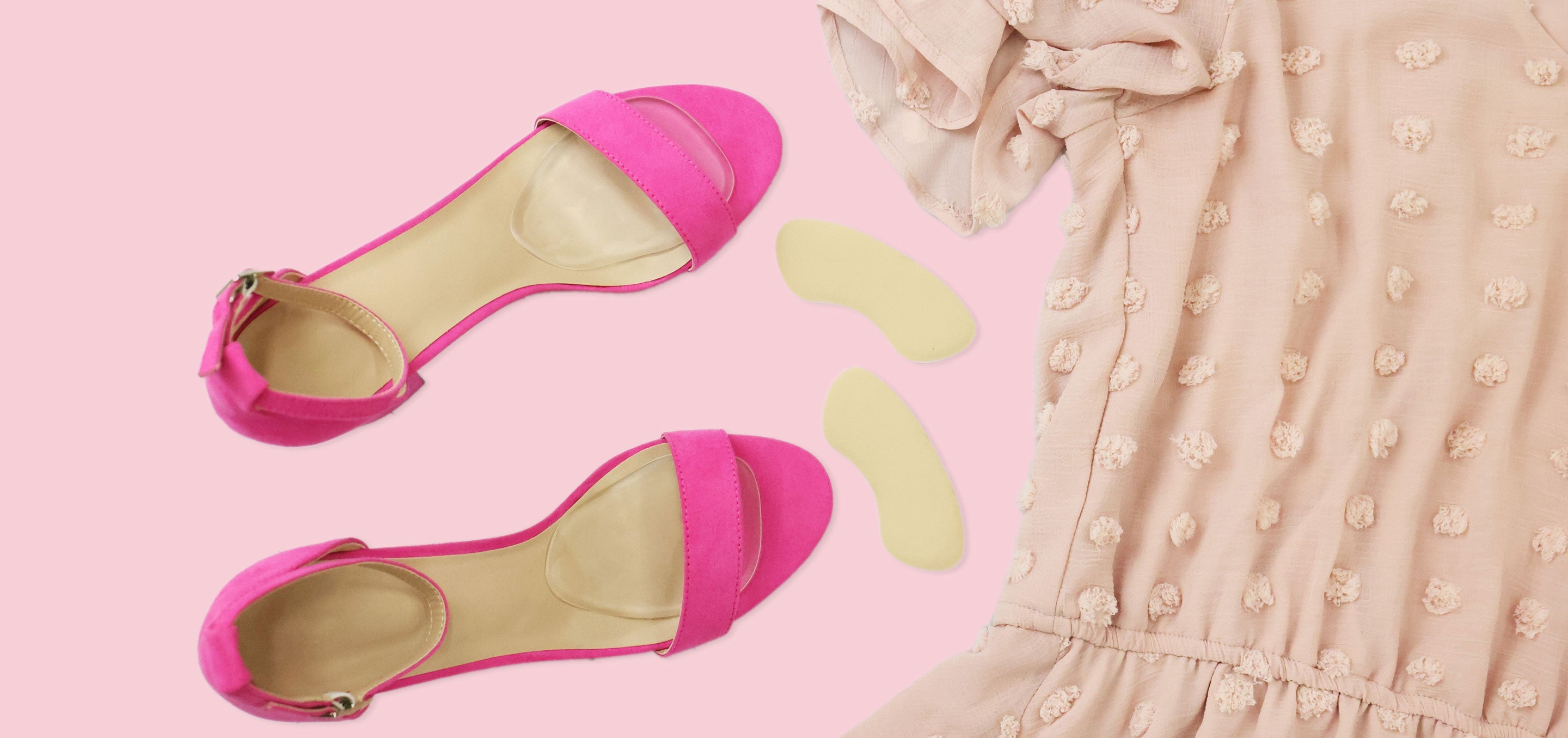
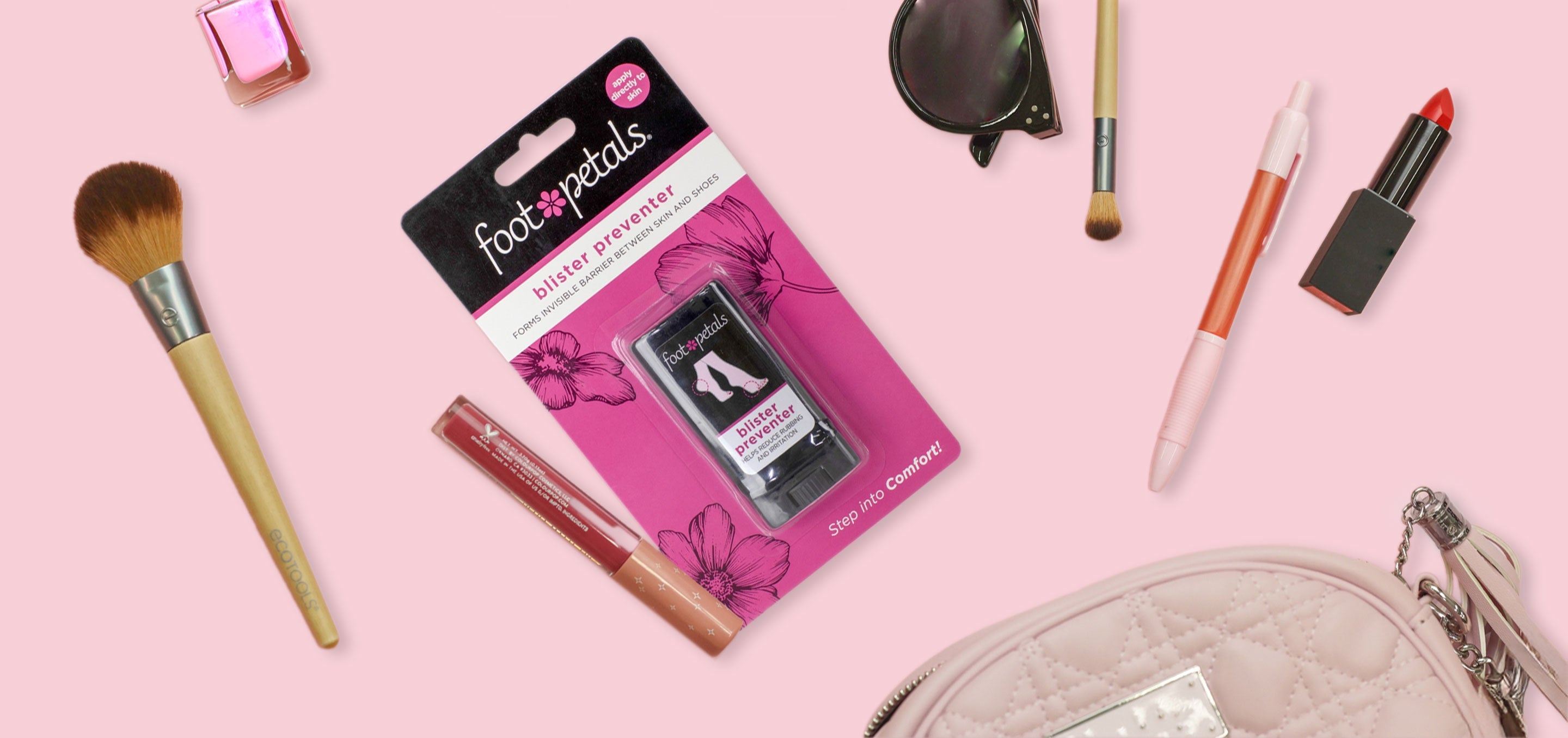
The best minimalist shoes are pairs you can wear repeatedly without sacrificing comfort. If you have shoes you love but avoid because they rub, slip, or feel uncomfortable, small adjustments can help extend their life. Foot Petals comfort solutions are designed to make your favorite pairs easier to wear without changing their look.

5. Focus on Fit Over Quantity
A smaller wardrobe only works when the pieces inside it fit well. One perfectly fitting blazer or pair of jeans will serve you better than five options you constantly adjust.
Minimalist dressing encourages you to pay attention to how clothing feels, not just how it looks. Pieces that pinch, restrict movement, or make you uncomfortable are less likely to become true staples. The same applies to shoes. A beautiful pair that leaves you in pain usually ends up staying in the closet.
6. Choose Quality When It Matters
Minimalism often emphasizes quality over quantity, but that doesn’t mean every purchase has to be expensive. Instead, prioritize quality for pieces you wear most often. Everyday shoes, coats, denim, and basics typically benefit from more durable materials because they see frequent use. For trend-driven items or occasional pieces, you may choose to spend less. The goal is thoughtful shopping, not perfection.
7. Repeat Outfits Confidently
One of the biggest mindset shifts in minimalist dressing is embracing outfit repeating. If an outfit makes you feel confident, comfortable, and like yourself, it deserves to be worn again. Many stylish people rely on outfit formulas because they remove unnecessary decisions. A great pair of jeans, favorite shoes, and a classic top can become a signature look, not a limitation.
8. Take Care of What You Own
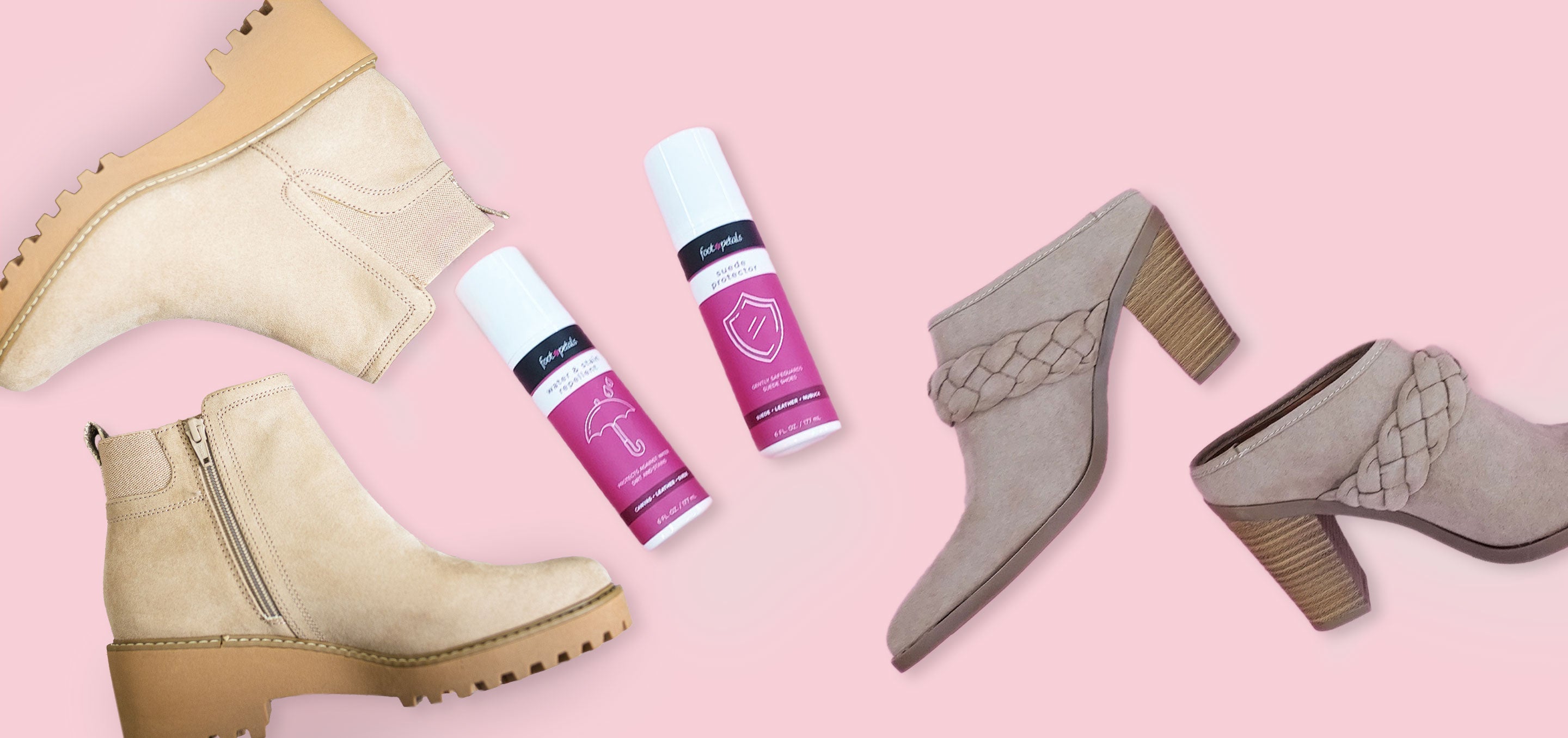
A minimalist wardrobe works best when you maintain the pieces you already have. Simple habits like proper storage, cleaning, and small repairs can significantly extend the life of clothing and shoes. For shoes specifically:
- Store them properly
- Clean materials according to care instructions
- Address discomfort before it causes damage or prevents wear
The longer your favorite pieces last, the less often you need to replace them.
9. Avoid Buying for “Someday”
One of the biggest causes of closet clutter is shopping for a future version of yourself. Maybe it’s an outfit for a lifestyle you don’t currently have or shoes that look beautiful but don’t feel realistic for your routine. Minimalist dressing focuses on your life today. The best wardrobe is one that supports who you are now.
10. Let Your Personal Style Lead
Minimalism should simplify your style, not erase it. The best clothes for minimalists are pieces that feel authentic. If you love bold shoes, colorful accessories, or unique silhouettes, they can absolutely belong in your wardrobe.
A successful minimalist closet isn’t the smallest closet. It’s one where every piece has a purpose. Minimalist dressing isn’t about restriction, it’s about creating more freedom in your everyday routine. When your closet is filled with pieces you genuinely enjoy wearing, getting dressed becomes easier and more intentional. By focusing on versatile clothing, comfortable shoes, and thoughtful choices, you can build a wardrobe that works harder while feeling completely your own.
Minimalist Clothing FAQs
Q: What is minimalist clothing?
Minimalist clothing focuses on versatile, intentional pieces that can be mixed and matched easily. It prioritizes functionality, quality, and personal style over excess.
Q: How many clothes should be in a minimalist wardrobe?
There is no perfect number. A minimalist wardrobe should include enough pieces to support your lifestyle while eliminating items you rarely wear.
Q: How do I start a minimalist clothing capsule?
Start by reviewing what you already own, identifying your most-worn pieces, choosing versatile essentials, and slowly filling gaps with intentional purchases.
Q: Does minimalist style only include neutral colors?
No. While neutrals are common because they mix easily, minimalist dressing can include any colors or patterns that fit your personal style.
Q: What shoes should a minimalist wardrobe include?
Most minimalist wardrobes benefit from versatile everyday shoes, including sneakers, flats, boots, sandals, and a comfortable dress shoe option.
References
https://www.businessinsider.com/capsule-wardrobe-experiment-2016-4


